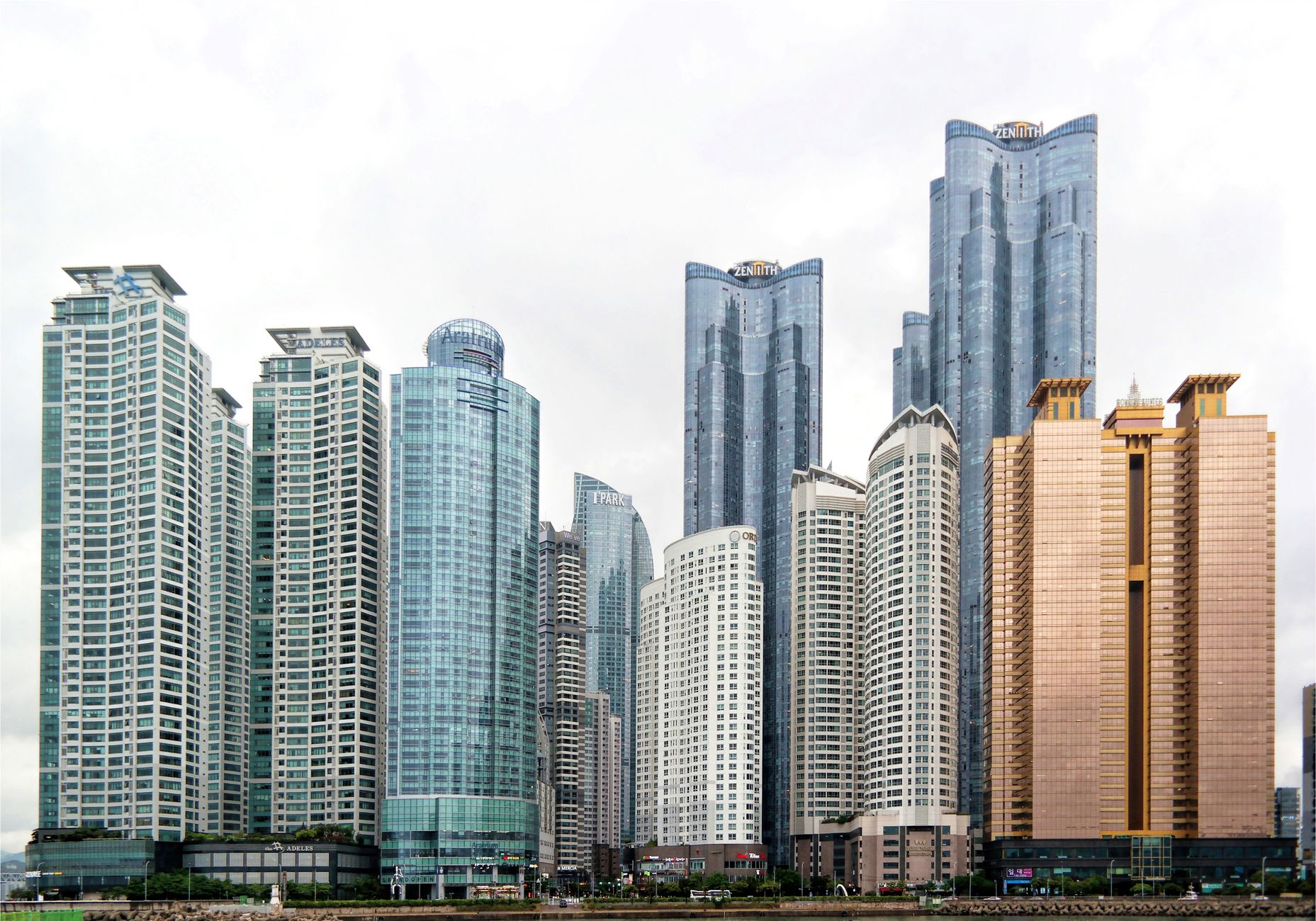
The Korean real estate market, particularly in Seoul, remains one of Asia's most dynamic and closely watched sectors. As we approach June 2026, international investors and prospective buyers are increasingly curious about apartment price trends, market conditions, and the broader implications for Korea's economy. Seoul's residential market has historically been a barometer for South Korea's economic health, reflecting shifts in employment, interest rates, and consumer confidence. This comprehensive guide explores current market dynamics, price projections, and investment considerations for English-speaking international readers interested in Korean real estate opportunities.
## Understanding Seoul's Real Estate Market Structure in 2026 Seoul's apartment market operates within a unique framework that differs significantly from Western real estate systems. The Korean housing market is characterized by two primary transaction models: the traditional sales market and the "jeonse" system, a lease arrangement where tenants provide a lump-sum deposit. Understanding these mechanisms is crucial for international investors evaluating the market as of June 2026. The Seoul Metropolitan Government has implemented several policy initiatives aimed at stabilizing housing prices while maintaining affordability. These policies include acquisition taxes, transfer taxes, and regulations on speculative purchasing. For June 2026, analysts anticipate these regulatory frameworks will continue influencing market behavior, potentially moderating price growth in premium districts while supporting stability in emerging neighborhoods. The Greater Seoul Area, encompassing Seoul proper, Incheon, and Gyeonggi Province, houses approximately 26 million residents—more than half of South Korea's entire population. This concentration creates perpetual demand pressure, supporting price resilience even during economic downturns. Commercial hubs like Gangnam, Songpa, and Mapo districts remain particularly sought-after, commanding premium prices due to proximity to major employment centers and excellent transportation infrastructure. Interest rate fluctuations significantly impact apartment affordability and demand. As the Bank of Korea navigates inflationary pressures and global economic conditions through mid-2026, mortgage rates will likely influence buyer behavior and transaction volumes. Historically, rate increases correlate with price moderation, while rate cuts stimulate demand and price appreciation. ## Current Price Trends and Market Indicators for June 2026 As of June 2026, Seoul apartment prices reflect a complex interplay of economic factors, policy interventions, and shifting demographic patterns. According to major Korean real estate data platforms, average apartment prices in central Seoul districts have experienced measured growth, with certain areas outperforming others based on neighborhood-specific dynamics. Premium districts including Gangnam, Songpa-gu, and central Mapo continue commanding the highest prices, with average prices ranging significantly higher than citywide averages. Conversely, outer districts and emerging neighborhoods offer relatively more affordable entry points while potentially providing stronger appreciation potential for long-term investors. Price volatility has moderated compared to previous years, reflecting government cooling measures and market maturation. However, pockets of speculative activity persist in areas designated for future development or infrastructure improvements. The completion of major transit expansion projects and commercial development initiatives in outer Seoul districts has sparked renewed interest in previously overlooked neighborhoods.
Key Market Indicator: June 2026 data shows Seoul's jeonse-to-sales price ratio stabilizing around historical averages, suggesting market confidence in residential assets and relatively balanced supply-demand dynamics compared to previous volatile periods.
International demand has gradually increased, particularly from investors in China, Hong Kong, Singapore, and English-speaking markets. The Korean government's long-term visa programs and foreign investment incentives have attracted global capital to the residential sector, particularly in trophy properties and high-end developments.
## District-by-District Price Analysis and Investment Potential
Different Seoul districts present distinct investment profiles, each with unique advantages and market dynamics as of June 2026. Understanding these differences is essential for making informed investment decisions aligned with individual objectives and risk tolerance.
**Gangnam District** remains Seoul's most prestigious and expensive area, attracting both domestic and international investors seeking status and consistent appreciation. The district's excellent schools, luxury shopping, and concentrated business presence justify premium valuations. June 2026 prices in Gangnam reflect strong domestic demand and international interest, with newer developments commanding significant premiums over older properties.
**Songpa-gu**, home to major commercial hubs like Jamsil and Banpo areas, offers slightly more accessible pricing than Gangnam while maintaining strong employment accessibility. The district has successfully attracted major corporations and technology companies, supporting sustained residential demand and price stability.
**Mapo-gu** has emerged as a vibrant alternative to traditional premium districts, offering better value with improving infrastructure and cultural amenities. The neighborhood's younger demographic profile and entrepreneurial ecosystem have driven demand from young professionals and investors seeking appreciation potential.
**Nowon-gu and Dobong-gu** represent more affordable outer-ring options with improving connectivity via transit expansion projects completed or nearing completion by June 2026. These areas appeal to first-time homebuyers and value-oriented investors willing to accept longer commutes for substantially lower acquisition costs.
**Yeongdeungpo-gu** and **Jung-gu** offer mixed opportunities, with certain micro-neighborhoods experiencing renewed interest due to urban regeneration projects and commercial development initiatives.
| District | Average Price Range (June 2026) | Investment Profile | Key Advantages |
|---|---|---|---|
| Gangnam | ₩1.2B–₩3.5B+ | Premium/Stable | Prestige, schools, business hub |
| Songpa-gu | ₩900M–₩2.8B | Mid-Premium/Growth | Corporate presence, transit access |
| Mapo-gu | ₩750M–₩2.2B | Value/Appreciation | Young demographic, culture, value |
| Outer Districts | ₩450M–₩1.5B | Affordable/Long-term | Transit expansion, affordability |
Market Insight: Korea's demographics present both challenges and opportunities. An aging population with declining birth rates creates long-term headwinds for housing demand, yet concentrated urban migration toward Seoul partially offsets these trends, maintaining price support in major metropolitan areas.
## Investment Considerations for International Buyers
International investors evaluating Seoul apartment purchases should understand both opportunities and considerations unique to Korean real estate transactions. While the market presents compelling investment potential, several factors warrant careful evaluation.
**Foreign Ownership Regulations**: South Korea permits foreign nationals to purchase residential property, though specific regulations vary by district and property type. Some areas designated as "speculative zones" impose restrictions on foreign purchases or require longer holding periods. Additionally, foreign property acquisitions trigger enhanced taxation and reporting requirements. Engaging qualified legal counsel familiar with foreign investment protocols is essential for navigating regulatory compliance.
**Financing Challenges**: Obtaining mortgage financing as a foreign buyer presents complications. Most Korean banks require substantial down payments (typically 50% or higher) from non-residents and may limit loan-to-value ratios. Building relationships with international banks operating in Korea or exploring alternative financing structures becomes necessary for most foreign investors.
**Currency and Repatriation Risks**: International investors face currency conversion costs and potential won depreciation affecting returns when repatriating capital. Understanding tax treaties between South Korea and your home country helps optimize after-tax returns and minimize withholding obligations on rental income or sale proceeds.
**Property Management and Maintenance**: Absentee foreign owners must establish reliable property management relationships, typically involving Korean-resident agents or professional management companies handling tenant relations, maintenance, and rent collection. Quality management significantly impacts investment returns and reduces operational stress for distant owners.
For detailed investment guidance and wealth-building strategies in Korean markets, consider exploring resources like Rich Honey's comprehensive investment platform, which provides insights into Korean economic sectors and investment opportunities for English-speaking international audiences.
## Market Projections and Future Outlook
June 2026 market conditions suggest moderate growth continuing through the remainder of 2026 and into 2027, though significant upside or downside surprises remain possible based on macroeconomic developments. Most analyst consensus anticipates single-digit annual appreciation in premium districts and potentially stronger growth in value-oriented outer neighborhoods benefiting from infrastructure completion.
**Emerging Opportunities**: Transit expansion projects completing by mid-2026 will unlock investment potential in previously peripheral areas. Neighborhoods gaining new subway connectivity typically experience accelerated price appreciation as accessibility improves and development activity increases. Savvy investors identifying these emerging neighborhoods before infrastructure completion can position for enhanced returns.
**Technology and Smart Cities**: South Korea's leadership in technology and smart city development suggests continued innovation in residential property offerings. Developments incorporating advanced smart home systems, energy efficiency, and digital security features increasingly command premiums, appealing particularly to tech-savvy international investors.
**Demographic Challenges**: Long-term demographic headwinds including population decline and aging suggest caution regarding speculative purchases. However, concentrated Seoul migration partially offsets these national trends, and multi-generational family wealth concentration in premium properties continues supporting price floors in established neighborhoods.
**ESG and Sustainability**: Growing environmental and social consciousness shapes residential preferences, particularly among younger demographic cohorts. Properties incorporating sustainable design, energy efficiency, and community-focused amenities increasingly attract premium valuations and stronger demand.
## Navigating Transactions and Legal Requirements
Successfully purchasing Seoul apartments as an international buyer requires understanding transaction mechanics, legal requirements, and cultural considerations differing significantly from Western real estate practices.
**Transaction Process**: Korean real estate transactions involve multiple steps including property inspection, price negotiation, earnest money deposits (typically 10% of purchase price), and final contract execution. The transaction typically concludes within 2-3 months, with the seller providing title guarantee and representations regarding property condition and encumbrances. Understanding each step and engaging qualified legal counsel prevents costly mistakes or disputes.
**Tax Implications**: Property acquisition triggers acquisition taxes (ranging approximately 1-6% depending on property value and buyer status), with foreign buyers potentially facing enhanced rates. Annual property taxes, capital gains taxes on sale proceeds, and rental income taxation all require careful calculation and planning. Professional tax consultation optimizes overall investment returns and ensures compliance with Korean tax authorities.
**Documentation and Authentication**: Korean real estate transactions require extensive Korean-language documentation including contracts, title searches, and government registrations. Qualified translators and legal professionals experienced in foreign acquisitions ensure accurate translation and understanding of contractual terms and obligations.
**Cultural Considerations**: Korean real estate markets incorporate cultural practices including feng shui principles ("poongsui") influencing property preferences, particularly regarding apartment floor levels and directional orientation. Understanding these preferences helps foreign investors anticipate market demand drivers and identify potential appreciation catalysts beyond purely economic fundamentals.
For visitors planning extended stays while evaluating investment opportunities, understanding transportation logistics becomes essential. The AREX Express Train connecting Incheon International Airport to central Seoul provides convenient access to major business districts and neighborhoods worth investigating for investment purposes.
## Conclusion and Investment Takeaways
Seoul's apartment market in June 2026 presents nuanced investment opportunities reflecting Korea's mature, well-functioning real estate ecosystem. While price appreciation may moderate compared to previous booms, fundamental demand drivers including concentrated metropolitan migration, employment opportunities, and limited housing supply support continued price stability and potential appreciation.
Successful international investors approaching the Korean market should conduct thorough due diligence, understand regulatory requirements, engage qualified professional advisors, and align investments with realistic return expectations and risk tolerance. The market rewards patient, informed investors while punishing speculative behavior and regulatory violations.
Whether seeking primary residence acquisition, portfolio diversification, or yield-generating rental properties, Seoul's real estate market offers compelling opportunities for English-speaking international investors willing to navigate its specific requirements and cultural contexts. June 2026 market conditions suggest reasonable entry points for strategic buyers while rewarding long-term holders of quality properties in established neighborhoods.
---
## Frequently Asked Questions
What is the average apartment price in Seoul as of June 2026?
Seoul apartment prices in June 2026 vary significantly by district, ranging from approximately ₩450 million in outer neighborhoods to over ₩3.5 billion in premium Gangnam properties. Citywide averages hover around ₩1.2–₩1.8 billion for standard three-bedroom apartments in accessible neighborhoods, reflecting a diverse market serving various buyer segments.
Can foreign nationals purchase apartments in Seoul?
Yes, foreign nationals can generally purchase residential property in Seoul, though regulations vary by district and property type. Certain "speculative zones" impose restrictions or require longer holding periods for foreign buyers. Additionally, foreign acquisitions trigger enhanced taxation and reporting requirements. Consulting with qualified legal counsel specializing in foreign investment ensures compliance with current regulations and optimal structuring of the transaction.
What financing options exist for foreign apartment buyers?
Obtaining mortgage financing as a foreign buyer presents significant challenges. Most Korean banks require substantial down payments (typically 50% or higher) from non-residents and impose lower loan-to-value ratios compared to domestic buyers. Some international banks operating in Korea offer more favorable terms, and alternative financing structures through private lenders may be explored. Most foreign buyers should expect to provide substantial cash down payments, potentially 50-70% of purchase price.
Which Seoul districts offer the best investment potential in 2026?
Investment potential depends on individual objectives. Gangnam and Songpa-gu offer stability and consistent appreciation for premium segment investors. Mapo-gu provides better value with solid growth prospects. Outer districts like Nowon-gu and Dobong-gu offer affordable entry points with enhanced upside potential as transit expansion projects complete. Identifying neighborhoods benefiting from upcoming infrastructure improvements positions investors for enhanced returns.
What tax implications should international buyers anticipate?
International apartment purchases trigger acquisition taxes (1-6% depending on value and buyer status), annual property taxes, and eventually capital gains taxes upon sale. Rental income faces Korean taxation with potential withholding obligations. Many countries maintain tax treaties with South Korea reducing double taxation. Professional tax consultation optimizes overall returns and ensures regulatory compliance, proving invaluable for international investors structuring purchases and managing ongoing ownership obligations.


.png)