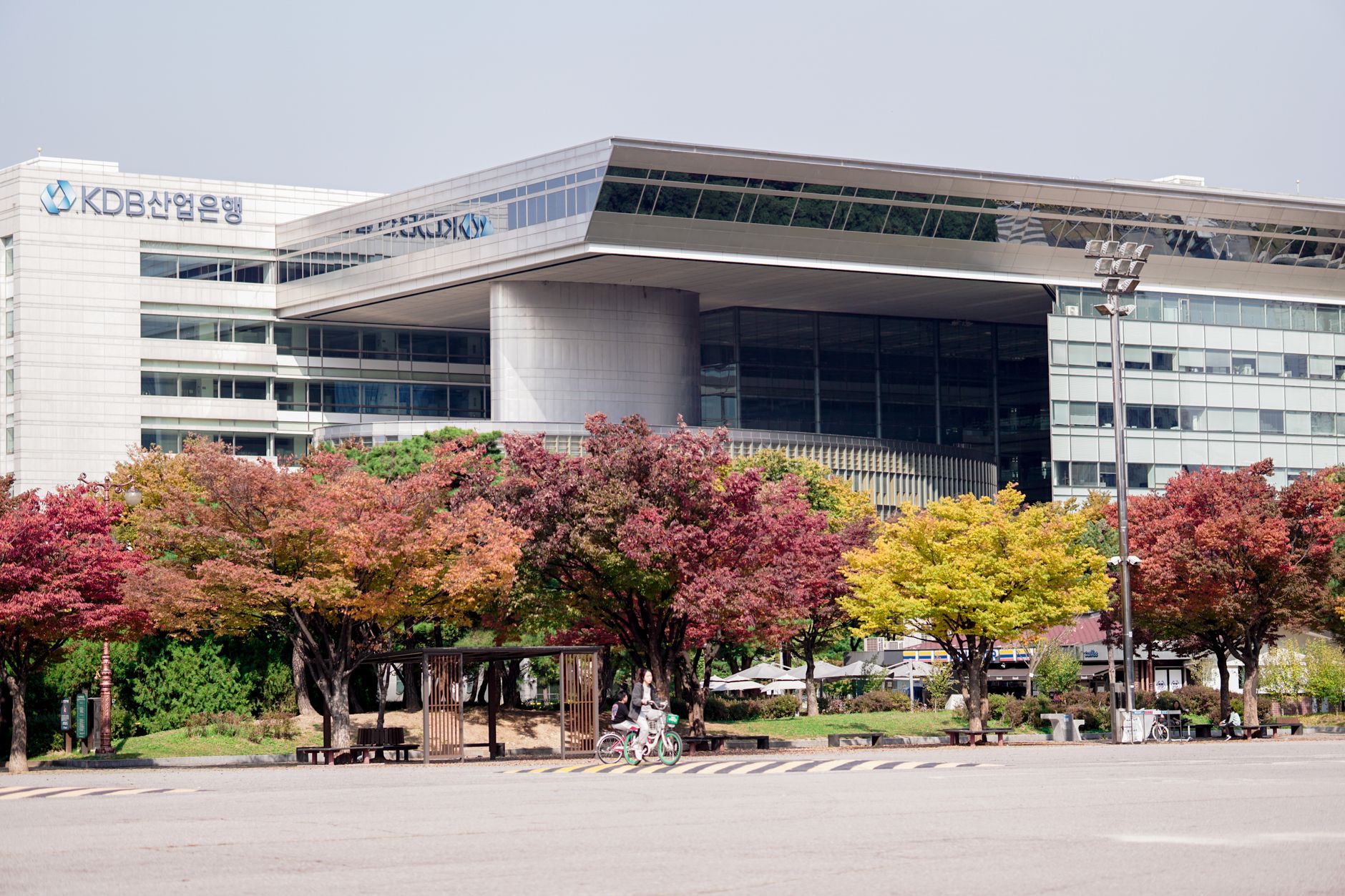
Samsung Electronics stands as one of the world's most influential technology corporations, and its stock performance significantly impacts global markets and Korea's economic landscape. As we approach Q3 2026, investors and international observers are keenly interested in understanding what this tech giant's financial trajectory might look like. Samsung's dominance in semiconductor manufacturing, smartphone production, and consumer electronics makes it a crucial indicator of both Korean economic health and global technology sector momentum. For English-speaking tourists and expats visiting Korea, understanding Samsung's business performance provides valuable context about the nation's innovative spirit and economic prowess. This comprehensive forecast analyzes current market trends, historical performance data, and industry projections to provide realistic price estimates for Samsung Electronics stock during the third quarter of 2026, while exploring how this impacts Korea's tourism appeal and business landscape.

Current Samsung Electronics Market Position and Historical Performance
Samsung Electronics, headquartered in Seoul's Seocho District (강남구 서초동), currently trades on the Korea Exchange (KRX) under ticker 005930 and on international markets under various listings. As of early 2024, Samsung's stock has demonstrated remarkable resilience despite global semiconductor challenges. The company's historical performance shows an average annual growth rate of approximately 8-12% over the past decade, with occasional volatility tied to industry cycles and macroeconomic conditions.
The company's market capitalization consistently ranks it among Asia's most valuable enterprises, frequently exceeding $300 billion USD. Samsung's diverse business portfolio—spanning memory chips, displays, smartphones, home appliances, and renewable energy—provides multiple revenue streams that stabilize overall performance. The semiconductor division alone generates over 40% of operating profits, making it crucial for understanding stock movements. International investors appreciate Samsung's transparent financial reporting, quarterly earnings disclosures, and dividend policies, which historically have offered yields between 1.2% and 2.0%.
For travelers visiting Seoul, Samsung's influence is visible throughout the city. The Samsung Innovation Museum located near Gangnam Station (opened 10:00 AM - 6:00 PM, Tuesday-Sunday, admission 10,000 KRW approximately $8 USD) offers fascinating insights into the company's technological evolution. The Seocho headquarters complex represents modern Korean business architecture and remains one of Asia's most impressive corporate centers.
Q3 2026 Price Forecast: Expert Projections and Analysis
Samsung Electronics stock price forecasts for Q3 2026 vary among investment analysts, with consensus estimates ranging from 65,000 KRW to 85,000 KRW ($50-$65 USD) per share. This projection assumes moderate economic growth, stable semiconductor demand, and successful execution of Samsung's strategic initiatives in AI chips and 3-nanometer process technology.
Conservative estimates suggest a Q3 2026 trading range of 60,000-70,000 KRW ($46-$54 USD), reflecting potential headwinds including semiconductor oversupply, competitive pressures from TSMC and Intel, and possible macroeconomic slowdowns. These scenarios typically assume global semiconductor inventory corrections and extended product development timelines for next-generation chips.
Bullish forecasts project Samsung reaching 80,000-95,000 KRW ($61-$73 USD) during Q3 2026, predicated on successful AI chip commercialization, strong smartphone demand, and increased adoption of Samsung displays in augmented reality devices. These optimistic scenarios assume successful completion of Samsung's $116 billion global expansion program and recovery in memory chip pricing.
Mid-range consensus models from major investment houses like KB Securities and Shinhan Investment predict Q3 2026 average prices around 72,000 KRW ($55 USD), representing approximately 8-10% growth from 2024 baseline valuations. These estimates factor in Samsung's historical dividend payouts (typically distributed in March and September), inflation adjustments, and currency fluctuation risks for international investors.

Key Market Drivers Influencing Samsung's 2026 Performance
Semiconductor demand remains the primary driver of Samsung Electronics' stock performance. The global semiconductor market continues accelerating due to artificial intelligence adoption, data center expansion, and Internet of Things proliferation. Samsung's foundry services, which manufacture chips designed by other companies, represent increasingly important revenue sources. By Q3 2026, AI chip demand is projected to increase 35-40% annually, significantly benefiting Samsung's semiconductor division.
Currency dynamics substantially impact Samsung's international stock valuations. As a Korean company reporting earnings in Korean won, exchange rate fluctuations between the USD and KRW directly affect foreign investor returns. Historical patterns show the won typically strengthens during periods of Korean economic growth, potentially enhancing returns for USD-denominated investors. Geopolitical tensions affecting Korea, particularly regarding North Korea and US-China relations, can trigger won volatility affecting stock prices.
Samsung's display business represents another critical performance driver. OLED technology demand from smartphone manufacturers and television producers continues rising. Samsung Display is also developing next-generation quantum dot displays and flexible screen technologies expected to command premium pricing by 2026. Success in these segments could provide substantial upside surprises to stock forecasts.
Government policy also influences Samsung's trajectory. South Korea's government, through agencies like the Ministry of Trade, Industry and Energy (MOTIE), actively promotes semiconductor manufacturing and provides incentive programs for advanced technology development. Any expansion of these incentives or announcement of new industrial parks hosting Samsung facilities could positively impact investor sentiment and stock valuations.
Samsung's Strategic Initiatives and Investment Plans for 2026
Samsung Electronics has committed to investing over $116 billion in semiconductor manufacturing and advanced technology development through 2030, with significant capital expenditures expected through 2026. The company is constructing state-of-the-art fabrication plants in Pyeongtaek and Hwaseong (both located in Gyeonggi Province, approximately 30-50 kilometers south of Seoul, accessible via KTX high-speed rail from Seoul Station in 45-60 minutes costing approximately 15,000-20,000 KRW or $12-16 USD).
These new facilities will focus on producing cutting-edge semiconductor processes, particularly 3-nanometer and below nodes critical for AI processors, mobile chips, and next-generation computing devices. The company expects these plants to achieve full operational capacity by late 2025 and early 2026, directly contributing to Q3 2026 financial results. Successful ramp-up of these facilities represents one of the most significant factors supporting bullish price forecasts.
Samsung's battery division is also expanding, capitalizing on global electric vehicle market growth. Plans include constructing additional EV battery manufacturing facilities, which could represent significant long-term growth catalysts. By Q3 2026, these ventures should begin contributing meaningfully to consolidated earnings.
The company is simultaneously investing in AI research, semiconductor research, and quantum computing development at its Advanced Institute of Technology located in Suwon (approximately 45 kilometers south of Seoul, accessible via metro Line 1 in approximately 90 minutes costing 3,250 KRW or about $2.50 USD). These R&D initiatives support Samsung's positioning in emerging technology markets, potentially unlocking substantial value creation by 2026.
Risk Factors and Potential Challenges to Price Forecasts
Several downside risks could pressure Samsung's Q3 2026 stock price below consensus forecasts. Global semiconductor overcapacity represents the most significant threat, with industry observers warning of inventory corrections potentially lasting into 2026. If memory chip and foundry service pricing decline sharply, Samsung's profitability could compress faster than currently anticipated, leading to price estimates dropping toward conservative scenarios (60,000-65,000 KRW or $46-50 USD range).
Geopolitical tensions involving Korea, particularly escalation of North Korean nuclear weapons development or US-China technology conflicts, could create significant market volatility affecting Samsung's stock performance. Historically, Korean market indices experience 5-15% corrections during periods of heightened geopolitical tension. International investors, particularly those accessing Korean markets via brokerage platforms, must understand these specific regional risks.
Competition from established chipmakers (Intel, TSMC) and emerging competitors continues intensifying. If Samsung loses significant foundry business to rivals or if smartphone market share declines, stock performance could underperform forecasts. The company also faces regulatory risks, including potential environmental regulations affecting semiconductor manufacturing and labor-related challenges in Korea's unionized industrial environment.
Supply chain disruptions, though improving since 2021-2023 challenges, could resurface and impact Samsung's ability to deliver products on schedule. Additionally, technological risks exist if Samsung's chip development encounters delays in achieving promised nanometer nodes or if competing technologies disrupt expected demand patterns.
How Samsung's Performance Reflects Korean Economic Strength
Samsung Electronics' stock performance serves as a barometer for Korea's broader economic health and technological competitiveness. The company's success directly impacts Korea's GDP growth, employment levels, export revenues, and global business reputation. Understanding Samsung's trajectory provides valuable context for visitors and expatriates assessing Korea's economic vitality and development trajectory.
Korea's government actively supports Samsung through industrial policies, tax incentives, and infrastructure investments. The country's comprehensive digital infrastructure—ranked among world's fastest internet speeds, ubiquitous 5G coverage, and advanced mobile payment systems—reflects Samsung's role in Korea's technological ecosystem. For travelers, this translates to exceptional connectivity experiences throughout Korea, from Seoul's bustling Gangnam district to rural areas.
For those interested in exploring Korea's business landscape, visiting the comprehensive Korea business travel guide provides detailed information about Korea's economic sectors and corporate culture. Samsung's success story exemplifies the Korean business spirit that defines the nation's development from post-war recovery to technological leadership.
Samsung's strong Q3 2026 performance would positively signal Korea's economic resilience and technological prowess, potentially strengthening the Korean won and increasing foreign investment in Korea generally. This creates a virtuous cycle supporting tourism growth, expatriate recruitment, and international business expansion in Korea.
| Price Scenario | Q3 2026 Range (KRW) | Q3 2026 Range (USD) | Probability | Key Assumptions |
|---|---|---|---|---|
| Conservative | 60,000-70,000 | $46-54 | 20% | Chip overcapacity, weak demand, geopolitical risks |
| Moderate | 70,000-75,000 | $54-58 | 35% | Steady market conditions, moderate growth, stable prices |
| Base Case | 72,000-80,000 | $55-62 | 30% | Analyst consensus, successful capex execution, AI growth |
| Optimistic | 80,000-95,000 | $61-73 | 15% | AI boom, strong chip demand, successful new products |
💡 Insider Tips for Monitoring Samsung Stock and Korea's Economy:
1. Earnings Calendar: Samsung reports quarterly earnings typically in late January, April, July, and October. Q3 earnings usually release in late October, providing direct insights for Q3 2026 forecasts. Monitor Korea Exchange (KRX) official announcements.
2. Currency Considerations: International investors should track USD/KRW exchange rates, as Samsung stock quoted in won experiences currency fluctuations. A 10% won strengthening could add 5-7% to USD investor returns regardless of stock price movements.
3. Dividend Tracking: Samsung historically distributes dividends in March and September. Plan Q3 2026 entries/exits around dividend ex-dates to optimize returns.
4. Semiconductor Cycle Monitoring: Follow industry reports on semiconductor supply-demand dynamics via industry research firms and SEMI (Semiconductor Equipment and Materials International) publications. Inventory levels provide early warning signals for price movements.
5. Facility Tours: For visitors interested in Samsung's operations, explore detailed Korean technology industry insights and investment opportunities before visiting Samsung facilities or investor relations offices in Seoul.
Practical Investment Considerations for International Investors
International investors accessing Samsung Electronics stock should understand several practical considerations specific to Korean equity markets. The Korea Exchange operates Monday-Friday, 9:00 AM - 3:30 PM Korea Standard Time (KST, UTC+9). Foreign investors can access Samsung through multiple channels: direct brokerage accounts with Korean investment firms, international brokerages offering Korean market access, or ADRs (American Depositary Receipts) trading on international exchanges.
Opening a Korean brokerage account requires a Korean bank account, resident registration number, and completion of Know Your Customer (KYC) procedures. For tourists and short-term visitors, accessing Samsung through international brokerages or ADRs represents the most practical approach. International investors should verify their brokerage's currency conversion fees, as these significantly impact returns on Korean equity investments.
Tax considerations vary by investor nationality. US citizens face additional compliance requirements including FATCA reporting, while EU investors navigate GDPR-compliant data handling. Korea imposes a 15.4% capital gains tax on non-residents (reduced to 10% on dividends for residents of countries with Korea tax treaties). Consulting with international tax professionals before investing proves essential for optimizing after-tax returns.
For travelers visiting Korea interested in learning more about business investment opportunities, major banks like KB Kookmin Bank, Shinhan Bank, and Hana Bank operate English-language investment advisory services in Seoul. Staff can provide real-time Samsung stock quotes, market analysis, and facilitate account opening for international investors. Multiple branches operate throughout Seoul, including locations at Gangnam Station (accessible via Seoul Metro Line 2, costing 1,450 KRW or approximately $1.10 USD per journey), Myeongdong, and Jongno.
Conclusion: Samsung's Q3 2026 Outlook and Korea's Technology Future
Samsung Electronics' stock price forecast for Q3 2026 points toward a range of 72,000-80,000 KRW ($55-62 USD) as the base case scenario, representing moderate growth from current levels. This forecast assumes Samsung successfully executes its massive capital investment program, maintains competitive positioning in semiconductors, and benefits from continued AI-driven demand growth.
The bull case supporting prices toward 80,000-95,000 KRW ($61-73 USD) hinges on accelerated AI adoption and strong semiconductor demand recovery. Conversely, conservative scenarios predicting 60,000-70,000 KRW ($46-54 USD) reflect legitimate risks including semiconductor oversupply and geopolitical uncertainties specific to Korea's regional context.
Samsung's performance trajectory directly reflects Korea's technological prowess and economic vitality. For international visitors and business professionals evaluating Korea as an investment destination or relocation opportunity, Samsung's success provides confidence in Korea's innovation ecosystem and long-term growth potential. The company's substantial Q3 2026 investments will further strengthen Korea's technological infrastructure and global competitiveness.
Investors seeking exposure to Korean economic growth and technology sector advancement should carefully monitor Samsung's quarterly performance, semiconductor industry trends, and government policy announcements through 2026. While past performance never guarantees future results, Samsung's demonstrated resilience, diversified business model, and aggressive strategic investments support confidence in the forecasted Q3 2026 price ranges for most market scenarios.
Frequently Asked Questions About Samsung Electronics Stock Q3 2026
What is Samsung Electronics' expected stock price range for Q3 2026?
Based on consensus analyst forecasts, Samsung Electronics stock is expected to trade in a range of 72,000-80,000 KRW ($55-62 USD) during Q3 2026. Conservative estimates suggest 60,000-70,000 KRW ($46-54 USD), while bullish scenarios project 80,000-95,000 KRW ($61-73 USD). These forecasts assume moderate economic growth, stable semiconductor demand, and successful execution of Samsung's capital investment programs.
How can international tourists invest in Samsung Electronics stock?
International investors can access Samsung Electronics through several methods: establishing accounts with Korean brokerages (requiring Korean bank accounts and resident registration), using international brokerages offering Korean market access, or purchasing American Depositary Receipts (ADRs) trading on US exchanges. For short-term visitors, ADRs represent the most practical approach. KB Kookmin Bank, Shinhan Bank, and Hana Bank operate investment advisory services in Seoul with English-speaking staff available at major branches.
What are the main factors influencing Samsung's 2026 stock performance?
Samsung's Q3 2026 performance depends on several critical factors: semiconductor demand (particularly AI chips), memory chip pricing trends, successful execution of $116 billion capital expenditure programs, display technology adoption, currency exchange rates (USD/KRW), geopolitical stability in Korea, and competitive positioning against TSMC and Intel. Additionally, government incentive programs and industrial policies significantly impact profitability and investor sentiment toward Samsung stock.
Does Samsung pay dividends, and how does this affect Q3 2026 returns?
Yes, Samsung Electronics historically distributes dividends in March and September, typically yielding 1.2-2.0% annually. Q3 2026 dividend payments would likely occur in September 2026, providing additional shareholder returns beyond stock price appreciation. Investors should track dividend ex-dates to optimize entry/exit timing and understand how dividends are taxed for non-resident foreigners (typically 10-15.4% depending on tax treaties).
What risks could push Samsung's stock price below Q3 2026 forecasts?
Significant downside risks include semiconductor overcapacity reducing chip prices, geopolitical tensions involving Korea, competition from TSMC and Intel intensifying, technological development delays in achieving promised nanometer nodes, supply chain disruptions, and macroeconomic slowdowns affecting semiconductor demand. Any combination of these factors could pressure Samsung toward conservative price scenarios (60,000-65,000 KRW or $46-50 USD range).
How does Samsung's performance reflect Korea's broader economic health?
Samsung Electronics represents approximately 20% of Korea's stock market capitalization and contributes significantly to exports, employment, and GDP growth. Strong Samsung performance signals Korea's technological competitiveness, economic stability, and attractiveness for foreign investment. The company's success attracts international talent, supports the technology ecosystem (venture capital, startups, suppliers), and strengthens the Korean won, benefiting the entire economy. For visitors, Samsung's success reflects the innovative culture defining modern Korea.
Important Disclaimer: This blog post provides educational information about Samsung Electronics stock and is not investment advice. Stock market investments involve risks, including potential loss of principal. Past performance does not guarantee future results. Forecasted prices represent analyst estimates subject to significant uncertainty. Readers should conduct independent research, consult financial advisors, and assess individual risk tolerance before making investment decisions. Currency exchange fluctuations, tax implications, and regulatory changes may substantially impact actual returns.


.png)