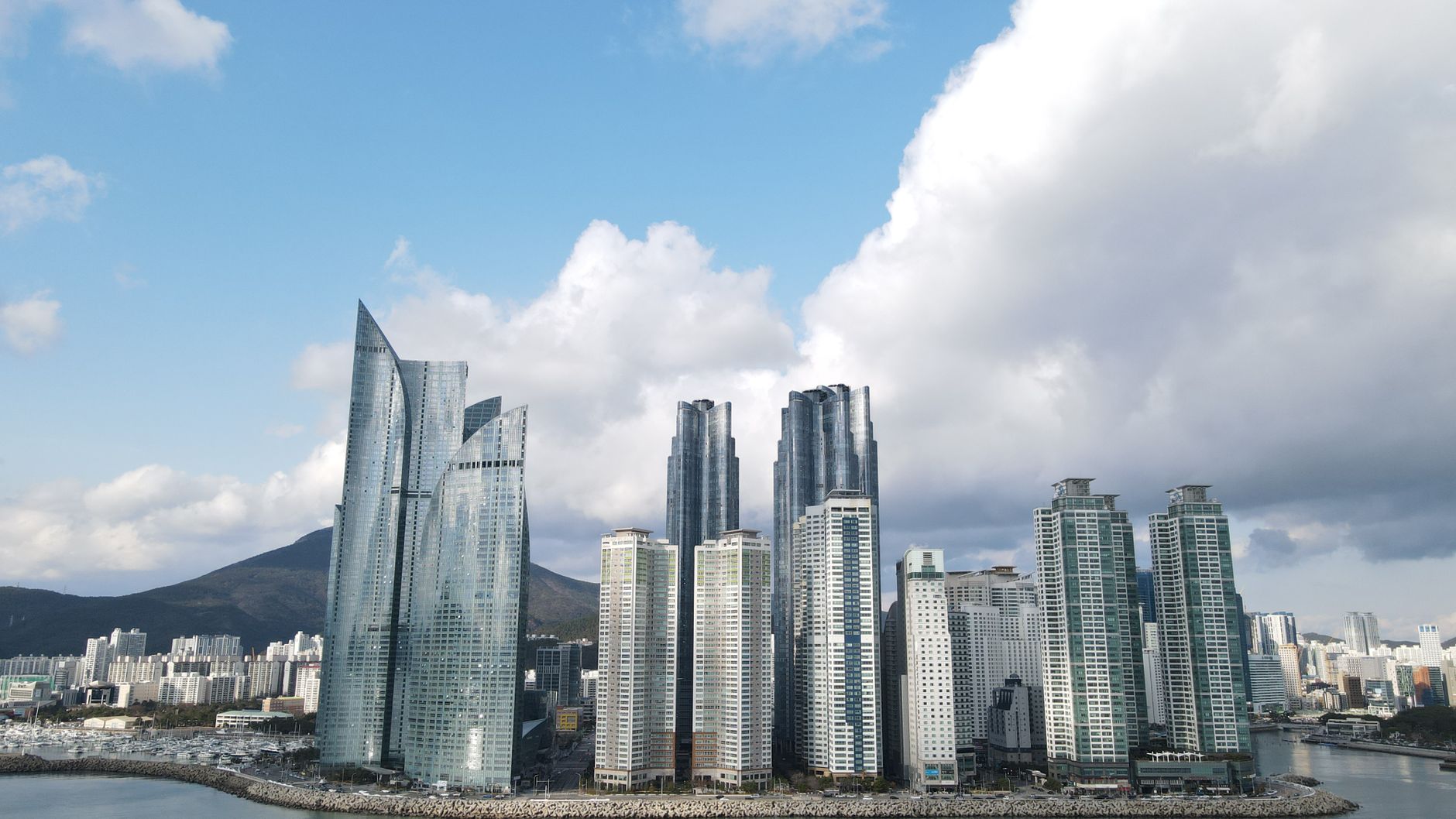
Daewoo Engineering Construction's stock has been a mixed bag through mid-2026, reflecting broader headwinds in Korean construction and a shifting infrastructure landscape globally. Here's the real situation: the company's share price is wrestling with softening domestic demand, exposure to mega-projects that are either wrapping up or facing delays, and competition from AI-driven project management tools reshaping how construction firms operate. If you're thinking about adding DEC to your Korean stocks portfolio, understanding where margins are headed—and which sectors they're pivoting toward—is absolutely critical before you make a move.

Where Daewoo Stands in Mid-2026: The Reality Check
Let me be straight with you: Daewoo Engineering Construction is at a crossroads. The company spent the last few years leaning heavily on mega-infrastructure contracts—the kind of work that built Korea's economy in the 2000s and 2010s. But here's the thing: those golden days of unlimited government spending on highways and power plants aren't coming back in the same way.
As of June 2026, DEC's stock is hovering in a range that reflects cautious sentiment. The Korean construction sector itself has been softening. Domestic residential projects have cooled, and while infrastructure remains important, the *pipeline* of new mega-projects has contracted. Honestly, what I'm watching most closely is whether DEC can pivot fast enough toward international contracts and specialized sectors like renewable energy and smart infrastructure—or whether they'll be fighting for smaller, lower-margin domestic work.
The company's Q1 2026 earnings showed revenue resilience, but operating margins compressed. That's the signal that matters. When a construction firm's top line looks okay but profits are being squeezed, it usually means two things: (1) pricing power is weakening, or (2) input costs and labor expenses are eating into returns. DEC is dealing with both.
The International Project Bet and Order Backlog Trends
Here's where it gets interesting. DEC has been aggressively bidding on overseas contracts—particularly in Southeast Asia, the Middle East, and African infrastructure plays. This is smart strategy, but it's also riskier than domestic work. Overseas projects carry currency risk, geopolitical uncertainty, and longer payment cycles.
Their order backlog as of early 2026 sits at levels that would've been considered modest a decade ago. But the *composition* matters more than the total figure. A backlog heavy in low-margin earthworks is different from one loaded with high-margin renewable energy infrastructure or data center construction. Based on public filings, DEC has been securing more specialized contracts, which is encouraging—but execution risk is real.
What I'm watching is whether they can land major contracts in emerging markets and clean energy infrastructure. The global push toward renewable energy and net-zero targets is creating genuine opportunity for firms that can manage complex, technology-heavy projects. If DEC can position itself as a credible player in those sectors, the outlook brightens significantly. If they're stuck competing on price for vanilla infrastructure work, expect continued margin pressure.

AI and Construction Tech: The Unspoken Headwind (and Opportunity)
Honestly, this is the part most investors in DEC overlook: the fundamental disruption happening in construction management itself. As AI tools and computational modeling become standard across the industry, companies that adopt these technologies gain massive efficiency advantages. Construction firms like Bechtel and Kiewit are already using AI-driven project management platforms to cut timelines by 15-20% and reduce cost overruns.
Daewoo has been investing in digital infrastructure and partnering with Korean tech companies to integrate AI-based project monitoring and risk management tools. But here's the tension: these investments require upfront capex and eat into near-term profits. Meanwhile, competitors who've already made these investments are bidding more aggressively because their cost structures are improving.
The real question is whether DEC can monetize their tech investments quickly enough to offset margin pressure from competition. If they become known as the "tech-enabled Korean construction firm," that's a differentiated positioning worth a premium valuation. If they're just spending on tech while competitors do the same, it's just a cost of staying relevant—and that doesn't help the stock price.
I'd also note that automation in construction—from autonomous site vehicles to drone-based inspections—is something DEC is tracking closely. The firms that deploy these solutions at scale will win contracts based on speed and safety records, not just price.
Korea's Economic Headwinds and the Construction Sector Outlook
Let's zoom out to the macro level. Korea's economic growth has been cooling through 2026. Export demand for tech and semiconductors remains steady, but it's not the robust growth we saw in 2022-2023. This matters for construction because construction stocks are cyclical—they're leveraged to overall economic activity and government spending.
The Korean government has been talking about stimulus measures and infrastructure investment as a way to support growth, but the political environment is fragmented, and budget constraints are tighter than they were a few years ago. So while there will be infrastructure spending, it's not going to be the scale that construction companies dreamed about during the 2010s.
That said, Korea is positioning itself as a leader in green infrastructure and smart city development. The government has earmarked funds for these initiatives, and companies like DEC can benefit if they're positioned as partners in those projects. The issue is that margins on green infrastructure contracts are often lower than traditional construction because of the technical complexity and project financing structures involved.
DEC Stock Price Drivers to Watch for Rest of 2026
Let me break down what's actually going to move the needle on DEC's stock price between now and year-end 2026:
Major contract wins: If DEC announces a multi-billion-won overseas infrastructure contract—especially in renewable energy or smart infrastructure—expect a 5-8% pop. The market is starved for positive catalysts from construction names.
Margin guidance: When DEC reports Q2 and Q3 results, watch for operating margin trends. If they stabilize above 4%, that signals they're holding pricing power. If they slip below 3%, that's a warning sign that pricing pressure is winning.
Dividend and capital allocation: Korean construction stocks are valued partly on dividend yield. If DEC maintains or increases its payout, that provides a floor for the stock even if growth is sluggish. If they cut the dividend to preserve cash for tech investments, the stock could get hit.
Peer performance: How Samsung C&T, GS Engineering, and Hyundai Engineering perform matters. If the whole sector is under pressure, DEC won't outperform. But if DEC starts showing better margins or more exciting project wins than peers, it could gain relative ground.
Won strength and commodity prices: Construction costs are tied to steel, cement, and labor—all denominated globally. A stronger Korean won helps DEC on overseas contracts. A weaker won hurts input costs. This is a macro factor they can't control but should track.
| Factor | Current Status (H1 2026) | Impact on Stock |
|---|---|---|
| Domestic Order Pipeline | Moderate; Mixed quality | Neutral to Slightly Negative |
| International Expansion | Active bidding; Early-stage wins | Positive (if deals close) |
| Operating Margins | 3-4% (compressed YoY) | Negative (pressure visible) |
| Tech/AI Integration | Ongoing investment; ROI unclear | Positive (medium-term only) |
| Korean Government Spending | Cautious; Green infrastructure focused | Neutral (not a tailwind) |
| Dividend Sustainability | Secure; ~4-5% yield | Positive (income support) |
The ESG and Green Infrastructure Play
Here's something worth thinking about: global capital is flowing into construction firms with strong ESG credentials and expertise in green infrastructure. DEC has been positioning itself as a credible player in this space, securing contracts for renewable energy projects and participating in Korea's net-zero transition initiatives.
Trust me on this one—ESG expertise is becoming a competitive advantage in construction. When infrastructure funds and sovereign wealth funds allocate capital, they're increasingly checking ESG boxes. Firms with proven track records in sustainable infrastructure can command better terms and access more capital. If DEC can convert this positioning into higher-margin contracts, it's a genuine upside surprise.
The flip side: a lot of construction firms are making similar ESG pivots. DEC needs to stand out—not just talk about sustainability, but deliver measurable results on carbon reduction, worker safety, and project longevity. That's harder than it sounds, and it requires sustained investment.
Price Target and Risk Scenarios for Rest of 2026
Okay, so here's where I think DEC stock could head by end of 2026:
Base case (60% probability): Stock trades in a 5-8% range from current levels. Modest order flow, stabilized margins, and dividend support keep it afloat, but there's no catalyst for meaningful upside. Valuation remains compressed at 0.8-0.9x book value because the market sees limited growth.
Bull case (20% probability): DEC lands major international contracts (Middle East or Southeast Asia), announces a high-margin renewable energy pipeline, and margins expand back to 4.5%+. Stock could rally 15-20% as investors reprice the company as a "clean infrastructure play." This requires execution on multiple fronts.
Bear case (20% probability): A major contract gets delayed or faces cost overruns, domestic construction spending disappoints further, and margin compression continues. Stock could decline 10-15% as investors lose patience waiting for a turnaround. This is the risk scenario if international expansion stalls.
The distribution is not symmetrical—the bear case is probably easier to trigger than the bull case because DEC needs *positive* catalysts to move higher, but the stock could drift lower on neglect. That's a market structure issue, not company specific, but it matters for your risk/reward.
1. Watch earnings calls: Management commentary on order flow and margin outlook matters way more than the headline numbers. Listen for specifics on international contract status.
2. Compare to peers: Track how DEC's margins compare to Samsung C&T and GS Engineering. If DEC is outperforming on margins, that's a sign of better execution or market positioning.
3. Monitor the won: A weaker Korean won actually helps DEC's overseas earnings conversion. If the won weakens vs. USD in H2 2026, expect earnings tailwinds.
4. Don't chase on dividend: The 4-5% yield looks attractive, but make sure you believe in the business. Dividend cuts hurt construction stocks harder than most sectors.
5. Set a reentry point: If DEC announces a major contract or margin stabilization news, don't FOMO in. Wait for the initial pop to settle, then reassess valuation.
Real estate and construction cycles are long, and Korea's demographic headwinds (aging population, slower population growth) could compress demand for construction services for years. This isn't a 2026 problem, but it's a structural issue that depresses valuations for construction stocks.


.png)